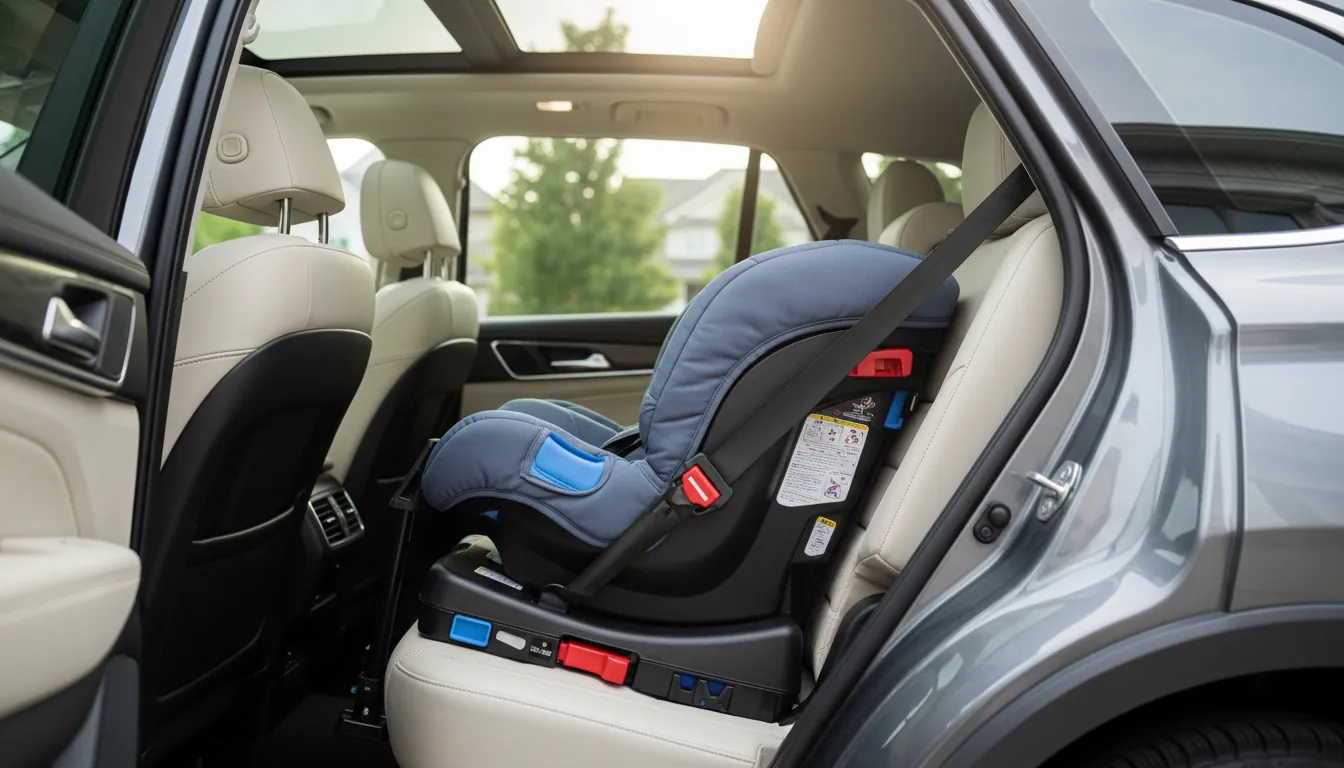
Bringing a baby home from hospital is a moment you imagine for months. The last thing you want is a last-minute scramble over the car seat. Yet many new parents in Doha and across the Gulf find themselves standing in a car park, manual in one hand and a sleeping newborn in the other, wondering if the straps are really tight enough. The good news is that the basics are learnable. A little preparation before the birth will save you a great deal of stress later.
Car seats are not a place for guesswork. They are one of the few baby purchases that have a direct, measurable effect on safety. When used correctly, they reduce the risk of serious injury in a crash by up to 82 percent for children. That figure is worth pausing over. It means the seat you choose, the way you install it and the direction your child faces all matter more than the colour of the fabric or the brand name on the box.
Start With the Right Seat for Your Newborn
Your first decision is between an infant carrier, a convertible seat, or an all-in-one model. An infant carrier is small, rear-facing only and clips in and out of a base. A convertible seat stays in the car and can later turn forward-facing. An all-in-one seat covers more stages but may be bulkier in smaller vehicles. For a newborn, all three can work if they are rated from birth and installed rear-facing.
Many families drive vehicles with ISOFIX points, which can make installation more straightforward. If your car does not have ISOFIX, a seatbelt-fitted seat is just as safe when installed correctly. Check both the car seat manual and your vehicle owner’s manual every time you move the seat. Height matters more than age when choosing a seat, because children grow at very different rates.
Before your due date, have the seat bought and installed. Hospitals generally will not discharge a new mother without a proper newborn car seat. Aim to have everything ready by the eighth month of pregnancy. If you are unsure about the installation, seek help from a certified child passenger safety technician. Many baby shops and clinics can point you to one.
Installation Rules That Make a Difference
You can secure a car seat with the vehicle seatbelt or the LATCH system, also known as ISOFIX in many markets. Both methods are equally safe, so use whichever gives you a firmer fit in your car. Do not use both at the same time unless the car seat and vehicle manufacturers specifically allow it. A common mistake is a seat that moves more than a couple of centimetres at the belt path.
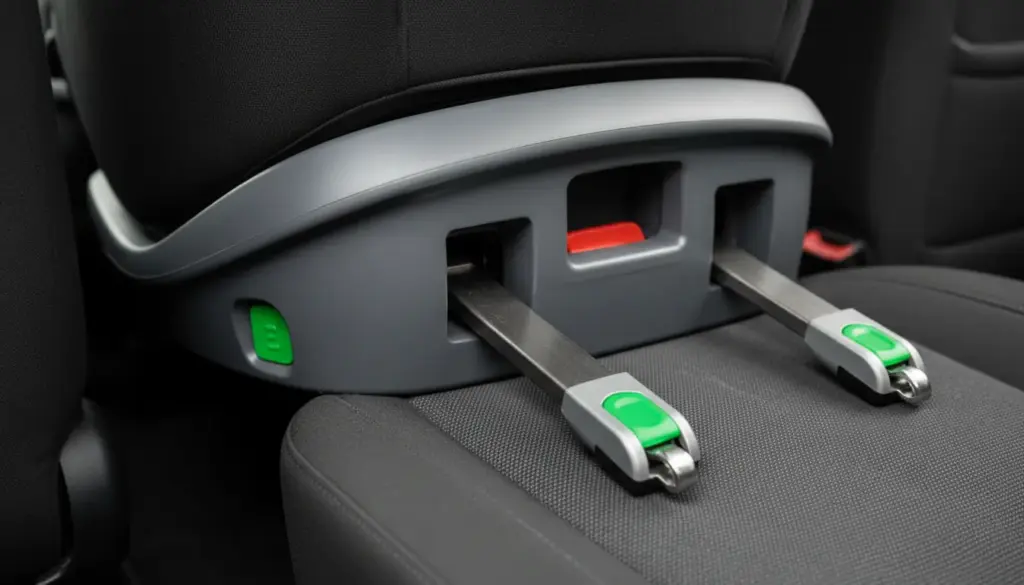
The top tether is essential for every forward-facing seat, whether you use the lower anchors or the seatbelt. It stops the top of the seat pitching forward in a crash. For rear-facing seats, the recline angle matters, especially for a newborn whose head control is still developing. Many infant carriers have a built-in angle indicator to help you get it right.
Heat is a real consideration in hot climates. A car seat left in direct sun can become too hot for a baby’s skin. Consider a light-coloured cover, park in shade where possible and check the buckles with your hand before placing your child inside. Never add thick padding or cushions that did not come with the seat, as they can interfere with the harness.
Rear-Facing Is the Safest Position
Experts recommend keeping children rear-facing for as long as possible, not just until their first birthday. A rear-facing seat spreads crash forces across the whole back, protecting the delicate head and neck. In a frontal collision, a forward-facing child can be thrown forward, putting stress on the neck and spine. Around 70 percent of accidents are frontal collisions, so this is not a minor detail.
Under European R129 rules, a child must use a rear-facing seat until at least 15 months old. Under older R44 rules, the minimum is until the child weighs 9 kilograms. However, both standards are only legal minimums. Many parents now keep children rear-facing until age four or beyond, as long as the seat’s height and weight limits allow it. Squished legs are not a safety problem.
When your child reaches the maximum rear-facing height or weight for the seat, it is time to turn forward. Do not rush this step. Each move from rear-facing to forward-facing to booster means a little less protection. A five-point harness is the safest restraint for babies and toddlers because it holds the shoulders and hips, which are the most rigid parts of the body.
Moving Through the Stages Without Rushing
Car seats are grouped by height more than age. A seat suitable from birth to a certain height will last roughly until 15 months. One that goes up to a greater height can cover around four years. An every-stage seat may reach a height that corresponds to about 12 years old. By law in many places, children must use a car seat or booster until they are 12 years old or 150 centimetres tall, whichever comes first.

Here are the main stages to keep in mind as your child grows. Infants and toddlers should ride in a rear-facing seat, which is the safest position for their developing bodies. As they get older and bigger, they can move to a forward-facing seat with a harness. School-aged children then transition to a booster seat that positions the vehicle’s seat belt correctly. Finally, older children can use the regular seat belt once it fits them properly across the chest and lap.
- Newborn to about 15 months: use a rear-facing infant carrier or convertible seat, always installed rear-facing.
- Around 15 months to four years: stay rear-facing as long as the seat allows, then switch to forward-facing with a five-point harness.
- School age: once your child exceeds the forward-facing limit, usually around 60 pounds or more, move to a booster seat.
- Booster stage: keep using a booster until the adult seatbelt fits properly across the upper thighs and chest, not the belly and neck.
- Older children: a child can ride without a booster once the seatbelt fits well, typically between ages 8 and 12.
Every transition should be based on the specific limits printed on your seat, not on a birthday. A child who still fits the rear-facing height and weight limits is safer staying that way. The same applies to the booster stage. A seatbelt that cuts across the stomach or neck is a clear sign the booster is still needed.
Choosing a Five-Point Harness
A five-point harness restrains your child at the shoulders and hips. This reduces the force on soft areas like the abdomen in a crash. It is also easier to adjust accurately than a three-point belt. For babies and toddlers, a five-point harness is the standard recommendation from child passenger safety experts.
When you buckle your child in, the harness should be snug enough that you cannot pinch a fold in the strap at the shoulder. The chest clip should sit at armpit level. In hot weather, avoid dressing your child in bulky clothes under the harness, as this creates slack. A thin layer, then a blanket over the buckled harness, is safer and more comfortable.
Fitting the Seat to Your Car
Not every car seat fits every car well. Before you buy, check whether your vehicle has ISOFIX points and how much space the seat will take. Some rear-facing seats need a lot of legroom behind the front passenger seat. In a smaller saloon, a compact infant carrier may work better than a bulky all-in-one model.
If you can, try the seat in your car before buying. Many retailers will let you test-fit a floor model. A seat that is awkward to install is more likely to be installed incorrectly later. The best seat is the one that fits your child, fits your car and that you can use correctly every single trip.
Planning for the Hospital Trip Home
The first car journey with your baby is often the shortest but the most nerve-wracking. Have the seat installed several weeks before your due date, not the night before. Practise tightening and loosening the harness on a doll or a rolled-up blanket. Know how to adjust the recline angle for a newborn.
On the day itself, take your time in the hospital car park. The heat, the tiredness and the excitement can make small tasks feel huge. Check the harness one more time, make sure the handle is in the correct locked position for travel, and keep the car cool before you set off. That first careful drive home sets the pattern for every journey after it.