
So you have a new baby on the way and you are looking for a new family car. Whether this is your first baby, your fifth, or you are blending families and need more seats on weekends, you will want your new car to function in a way that makes your life as a parent easier rather than harder. The right choice depends less on trends and more on the shape of your own days. A calm, practical approach will save you money and frustration later.
Before you visit a showroom or scroll through listings, pause and think about what the car will actually be used for. Are you just running around local suburbs or will you be doing regular off-road trips or highway driving? How much space will the pram, sports gear or music equipment need? These questions matter more than the badge on the bonnet, especially in the Gulf where heat, parking and long commutes shape daily life.
Start With Your Real Daily Routine
Ask yourself what the car will be used for on a normal Tuesday. If you are doing school runs, supermarket stops and short nursery trips, a smaller vehicle with good visibility and easy access may serve you better than a large three-row SUV. If you like camping or need to tow a caravan, boat or trailer, check what they weigh before choosing an engine. Will it be a work vehicle as well as a family car? That changes the balance between comfort, fuel use and cabin wear.
If this is your first baby, are you planning siblings quickly afterwards? If so, will you buy a bigger car now that your family can grow into it, or change cars as your family grows? Some parents manage with a sedan and one child for years, while others find that a second child and a double pram tip them towards a minivan. There is no single correct answer, only the answer that fits your household rhythm and your parking reality.
Space, Seats and the Pram Test
One detail that parents often overlook is the shape of the cargo area. A flat, wide cargo bay makes loading strollers and diaper gear far easier than a narrow, high-lipped boot. If you drive a sedan, you may prefer having an actual trunk space because you do not have to worry about something flying up out of the cargo area if you brake hard. In an SUV or van, a cargo net or sturdy boxes can solve that problem neatly.
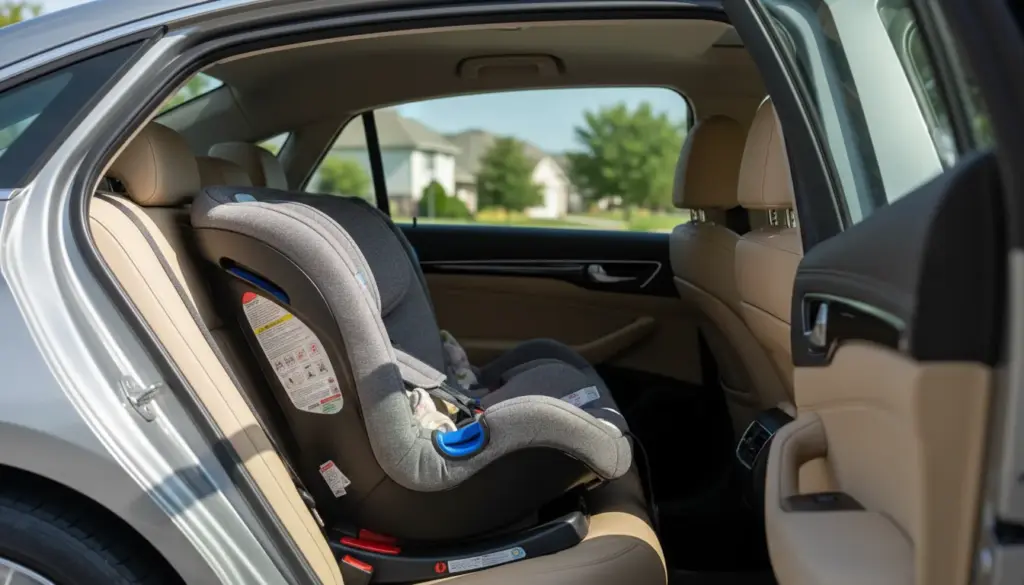
Inside storage also matters more than it seems before the baby arrives. From pockets on the back of seats to compartments set into doors, you will appreciate the space for a quick school run or a holiday trip in your car. Wide rear door openings and easy-to-access LATCH connectors help you avoid straining your back during drop-offs. Test this yourself with the actual car seat you plan to use, not just the demo seat in the showroom.
Compare Body Styles for Gulf Families
The table below sets out a few common body styles and what they tend to offer for new parents. These are general patterns, not strict rules, because every family’s routine and storage needs are a little different. For example, a compact car might suit short local trips, while a larger vehicle could help with regular highway driving or extra sports gear. Your final choice should still come down to how the car feels when you load it with your own pram, bags and car seat.
| Body Style | Typical Strength | Watch For | Good For |
|---|---|---|---|
| Compact crossover | Easy car seat loading and parking | Boot may shrink with third row | One or two children, city driving |
| Midsize sedan | Secure enclosed boot, smoother ride | Lower roof for lifting toddlers | One child, highway commutes |
| Three-row SUV | Flexible seating and cargo depth | Higher fuel use and load height | Three or more children, mixed trips |
| Minivan | Sliding doors and flat floor | Bulkier to park daily | Large families, frequent school runs |
Fuel Type and the School Run
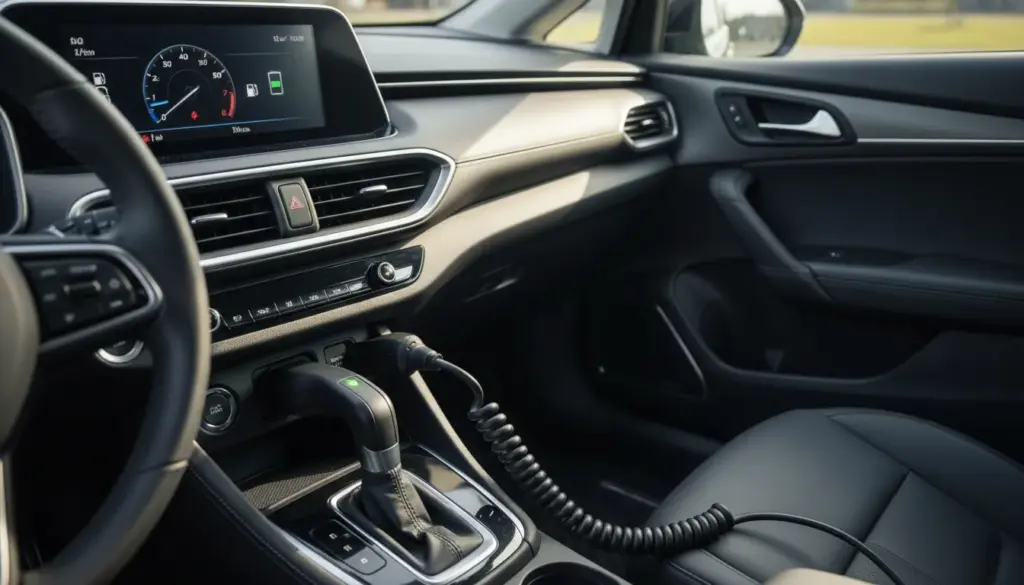
Another important question is do you want a petrol, diesel, hybrid, plug-in hybrid or electric car. For those running around on small local trips, electric cars are perfect, especially if you can charge at home. If you will still need to do long commutes then maybe a hybrid or plug-in hybrid will be better so you can use electricity around town and fuel on longer journeys. If you live remotely or where home charging is not possible, a hybrid, petrol or diesel car is best.
If your budget is limited, factor in fuel prices and long-term running costs before you commit. A used sedan with strong fuel economy may serve a small family better than a thirsty older SUV. Look at the total cost of ownership, not just the sticker price. In the Gulf, where fuel prices fluctuate and summer air conditioning runs constantly, efficiency is a practical family concern.
Safety and the Back Seat Reality
Once you know what type of vehicle you want, safety is top priority. Rear-facing car seats take up significant cabin depth, so check how much space they leave for the front passenger. Wide rear door openings and easy-to-access LATCH connectors prevent you from straining your back during drop-offs. Some newer models include rear occupant alert systems that remind you to check the back seat before walking away from the vehicle.
Test the car seat installation yourself before buying. Some rear doors open to a full 90-degree angle, which makes car seat installation easier than almost any competitor in its class. If you are comparing cars, bring your own infant seat and try it in both the rear and front passenger positions. A car that looks spacious on paper can feel cramped once a rear-facing seat is in place.
Checklist Before You Commit
Use this short checklist when you are standing next to a car you like. It keeps the decision grounded in daily use rather than showroom shine. Think about how the vehicle will handle your normal routines, from local errands to longer highway trips. Consider whether the boot can hold a pram plus extra gear for family outings. Also check how easily a child seat fits and whether you can reach the buckles without strain.
- Lift your pram into the boot and check the load height.
- Fit your rear-facing car seat behind the driver and passenger seats.
- Sit in the back and check rear air vents and sunshades.
- Fold the seats down and imagine a weekend trip with luggage.
- Ask about fuel economy for your typical weekly routes.
Buying With a Clear Head
Plan for the family you are likely to have, not the one you might imagine in five years. If you know you want three or more children, a three-row SUV or minivan from the start can save you from changing cars repeatedly. If you are unsure, a compact crossover or sedan can carry one child comfortably and keep running costs low. The goal is a car that makes ordinary days feel less complicated.
Take your time and test the car with your actual baby gear. A car that works for your neighbour may not work for your pram, your parking space or your commute. When the boot closes easily, the car seat clicks into place and the rear vents blow cool air, you will know you have found a practical match. That feeling of calm is worth more than any badge or trend.