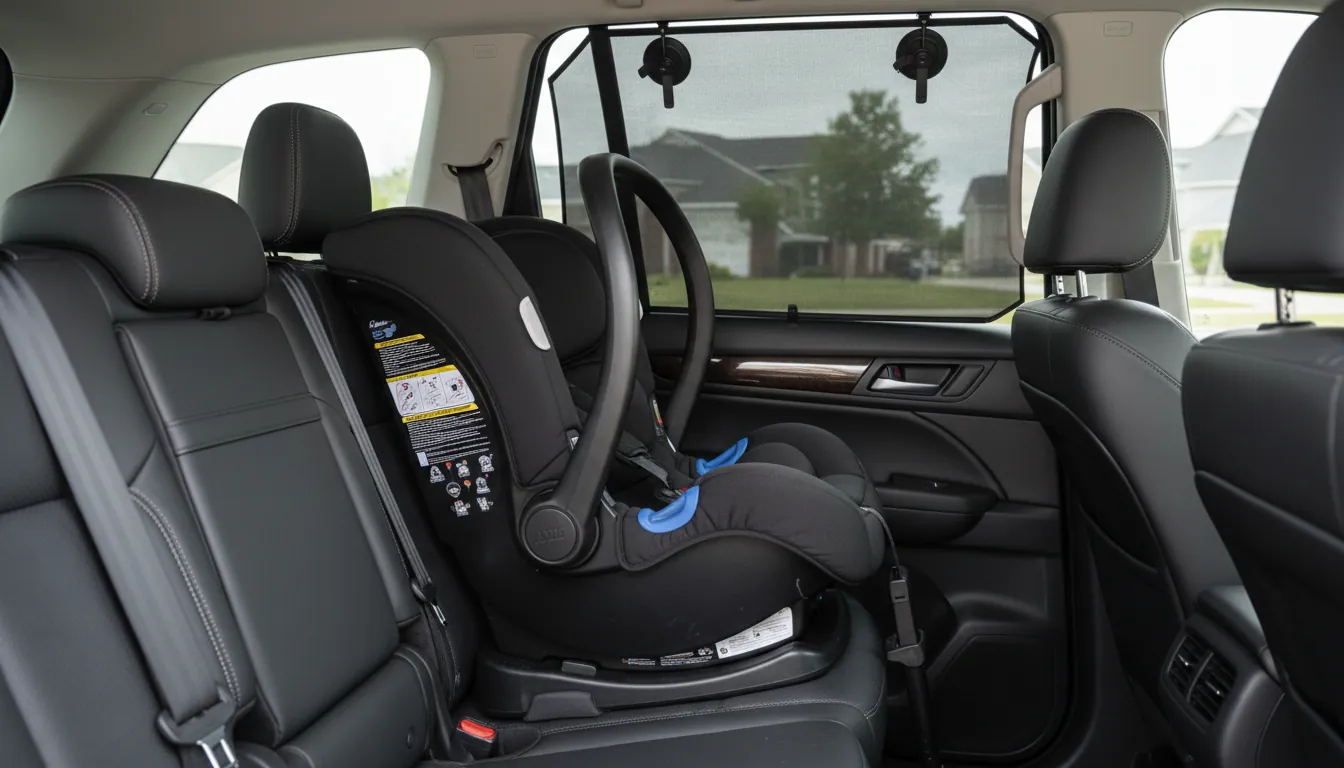
Setting off on a road trip with a baby can feel like planning a small expedition. The boot is full, the schedule is a hopeful sketch and you are fairly certain you have packed more nappies than the car manual recommends for cargo weight. Yet the idea of a family adventure, even a modest one across the Gulf, holds a quiet pull. A change of scenery, the rhythm of the road and a few days somewhere different can shift everyone’s mood long before you reach the destination. The key is not to aim for a flawless journey but to design one that bends around your baby’s needs.
Parents who have done this before talk about a sweet spot between three and six months, when an infant mostly wants milk, cuddles, sleep and a clean nappy. They are not yet crawling, which means a well-timed stop can reset the whole car. With the right preparation, those highway hours can feel less like a test of endurance and more like a slow, shared pause before the fun begins. The trick is to treat the journey as part of the trip, not an obstacle to endure before the holiday starts. A calm driver makes for a calmer baby, so give yourself permission to take things slowly.
Start with the seat and the setup
Once the seat is secure, turn your attention to the cabin environment. In the Gulf heat, pre-cool the vehicle for several minutes before you buckle the baby in. Dress your little one in a single lightweight layer and check that the harness lies flat and snug against the body, with no bulky padding between the straps and the chest. Make sure the rear air vents are open and angled so airflow reaches the back seat without blowing directly onto a sleeping face. A small clip-on fan can be attached to the back of the front seat to circulate air gently on long highway stretches.
Master the art of the break
Use the break to offer a feed, either nursing or with a bottle, since the combined effect of sucking and being held often calms a fussy passenger for the next stretch of road. Keep a small cool bag within reach so milk or prepared formula stays at the right temperature without having to unpack the entire boot. Planning your departure around sleep can change the first hours of a trip for the better. Many families find that leaving in the late evening or matching the longest drive segment with a predictable nap window gives them quiet miles. The car’s motion often lulls an infant into a deeper sleep than they manage at home.
Shade, temperature and the Gulf sun
Blocking the light and keeping the cabin cool
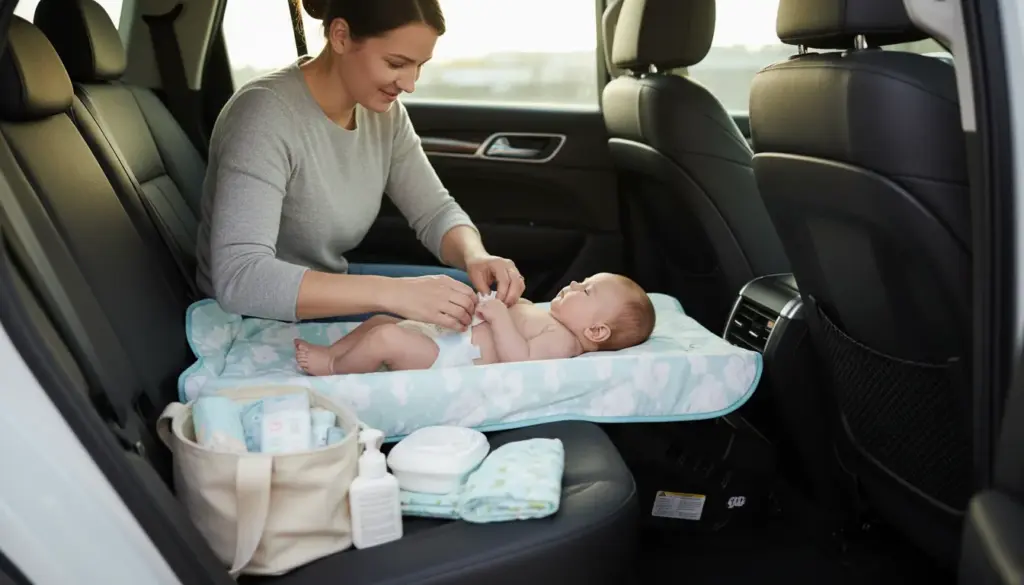
Rear window shades are one of the simplest investments you can make before a warm-weather road trip. They cut down excessive light and glare, which helps a baby settle and protects delicate skin from prolonged exposure even through tinted glass. Look for shades that attach firmly and do not interfere with the window mechanism. Position the shades so they cover the arc of sun that tracks across the back seat during your planned driving hours. A patch of sunlight that was harmless at nine in the morning can become intense by eleven, so combine shades with a lightweight muslin draped loosely over a rear-facing seat for an extra filter.
What to pack and how to reach it
Packing for a road trip with an infant is a lesson in layered organisation. You want the bulk of your luggage in the boot, but a smaller bag on the back seat needs to hold everything you might require between stops. Think of it as a mobile changing and feeding station. When you pack this bag, imagine doing everything one-handed while twisted in your seat at a motorway service area. That mental picture will guide your choices better than any generic list. The items you need most urgently should sit at the top or in an outside pocket. Here is a streamlined list of what lives in the back-seat bag, refined by parents who have learned the hard way what gets used and what stays untouched for an entire trip. These are the items that earn their place because they solve real problems on the road. Parents quickly discover that a few well chosen supplies can prevent most mid drive meltdowns.
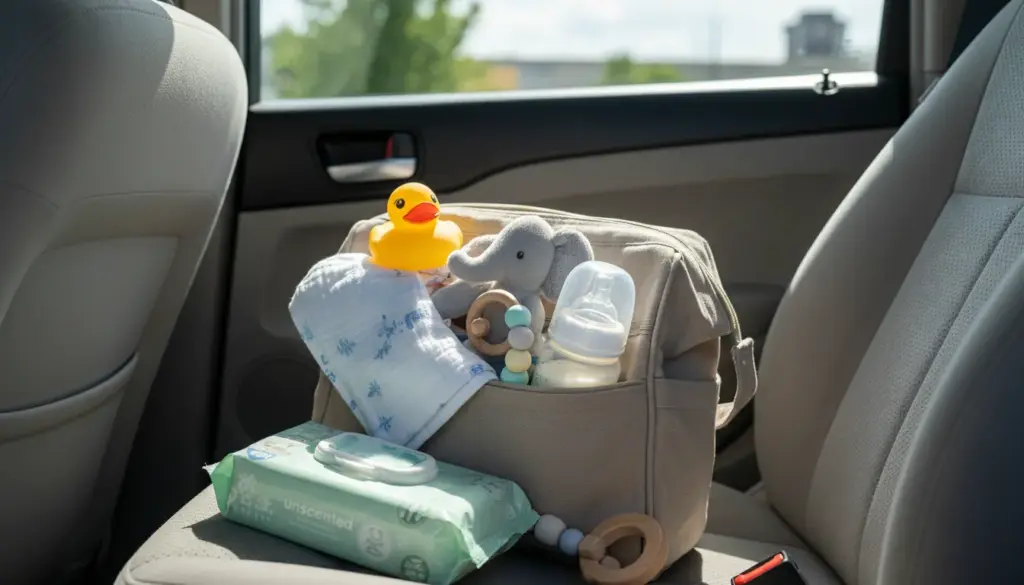
- Plenty of nappies and a full pack of water-based wipes, because motorway stops rarely sell the brand your baby’s skin tolerates.
- A foldable changing mat with a wipe-clean surface, which doubles as a clean surface for tummy time on a picnic bench.
- Two complete baby outfits in sealed plastic bags, so you can grab a dry set without rummaging through a jumble of socks and bibs.
- A muslin cloth or lightweight swaddle that works as a sun filter, a nursing cover, a burp cloth or a makeshift shade over the car seat.
- A small cool bag with pre-measured formula portions or expressed milk, plus a flask of warm water if your baby takes bottles at a specific temperature.
- A few small toys or board books that your baby has not seen for a few days, rotated one at a time rather than offered all at once.
- A spare adult T-shirt rolled tight and tucked into a corner, because a nappy leak or a spit-up episode rarely spares the person holding the baby.
Beyond the back-seat bag, the boot should hold your larger luggage, a pram or carrier and a well-stocked first-aid kit. Keep a separate bag for snacks and drinks for the adults, placed where the front passenger can reach it without twisting. A few healthy options like cut fruit, nuts and plenty of water keep energy steady, which matters more than you think when you are managing a baby and navigating unfamiliar roads. A roll of small bin bags and a packet of tissues solve the problem of what to do with used nappies until the next bin.
Entertainment and the rhythm of the road
Toys, sounds and reading your baby’s signals
Road trips teach you to read your baby’s cues with new precision. A sudden cry ten minutes after a feed might be a trapped burp rather than hunger, and rhythmic kicking could signal delight at the shadows moving across the ceiling. Sitting in the back with your baby for at least part of the journey lets you observe these patterns and respond before a small fuss escalates. If you are travelling solo, position a mirror designed for rear-facing seats so you can glance at their face in the rear-view mirror. It offers reassurance during long stretches of silence, though it is never a substitute for stopping when they genuinely need you.
By the time you pull back into your own driveway, you will have discovered a version of travel that is slower, messier and far more tender than the road trips you took before parenthood. The memories stick in unexpected places, not just in the photos on your phone but in the way your baby finally fell asleep to the sound of tyres on a quiet coastal road. That is the rhythm worth chasing, one careful mile at a time. Trust your instincts, pack with intention and let the road set its own gentle pace.