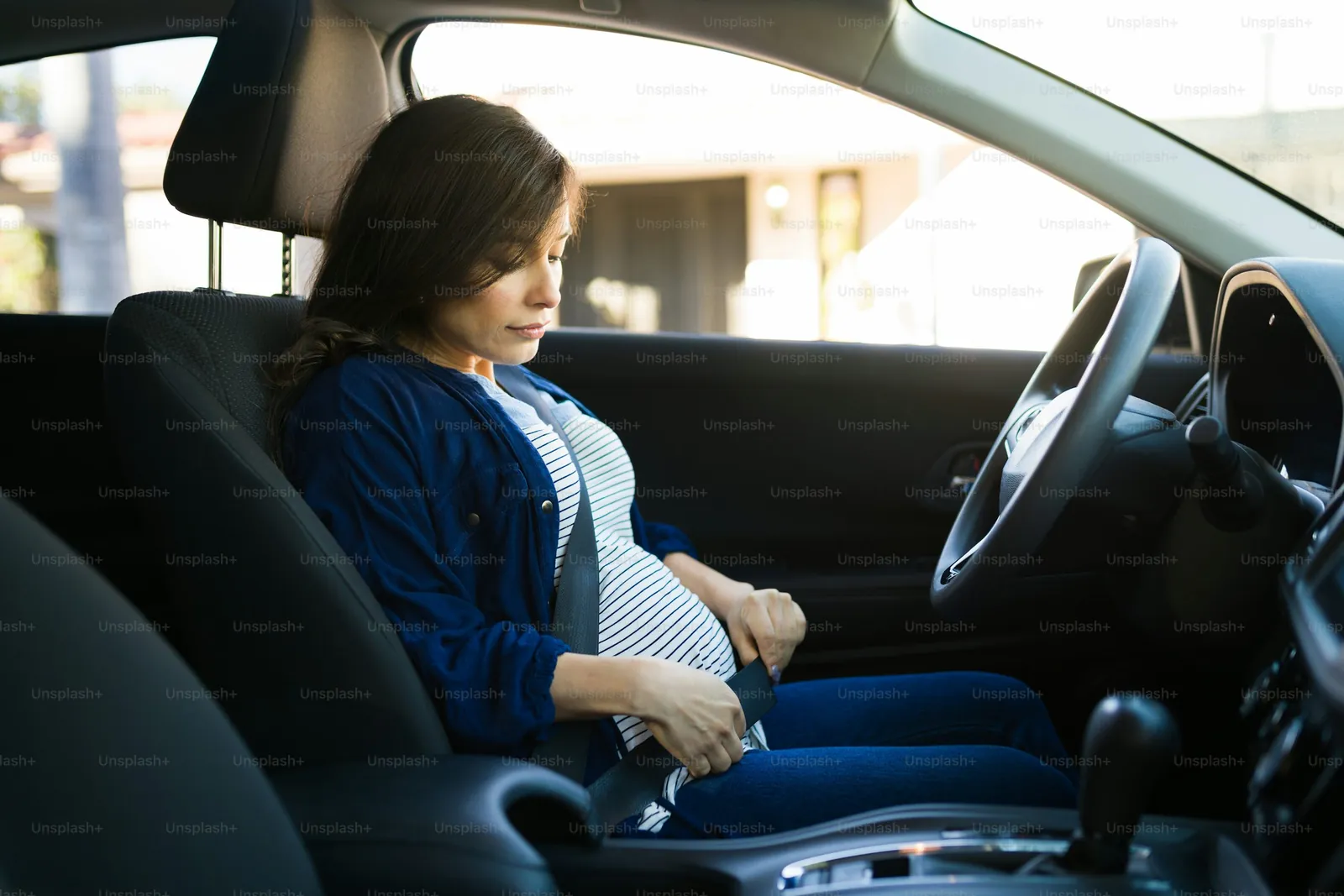
Driving during pregnancy is, for most women, a perfectly ordinary part of daily life. You still need to get to work, collect older children from school, buy groceries and keep appointments. The car does not suddenly become off limits just because your body is changing. Yet the questions around comfort and safety are real, and they deserve calm, practical answers rather than alarm.
There is no law that stops a pregnant woman from driving, and most can continue until the baby is born if they feel well and confident. The key is to pay attention to how your body responds behind the wheel. Nausea, fatigue and difficulty moving the seat or reaching the pedals can all influence your ability to drive safely. When those challenges appear, small adjustments can make a meaningful difference.
What Changes Behind the Wheel
Pregnancy alters your body in ways that affect driving more than many people expect. In early pregnancy, nausea and tiredness can make it hard to concentrate for long stretches. Later on, a growing bump can push you further from the steering wheel, making it harder to reach the pedals and gear shift. You may also find that sitting in one position for a long drive becomes genuinely uncomfortable.
Some women notice that their reaction times and focus shift during the middle months. Some research has suggested that women may be more likely to be involved in serious car accidents during the second trimester than those who were not pregnant. Experts often point to hormonal changes and their effect on sleep, mood and concentration. This does not mean you should stop driving, but it does mean you should be honest with yourself about how you feel before each journey.
Recognising When to Take a Back Seat
There is no fixed week when every pregnant woman should stop driving. The right moment depends on your own comfort, your medical situation and the conditions you usually face on the road. If you feel dizzy, extremely tired or unable to turn your body to check blind spots, it is time to consider being a passenger. Accepting a lift from a partner, relative or friend is not a failure.
Talk to your doctor or midwife about any specific difficulties you have while driving. They can give advice based on your pregnancy and any complications you may be experiencing. If you take medication for nausea or another condition, ask whether it could make you drowsy or slow your reactions. Listening to your body and seeking that guidance is far more useful than following a one-size-fits-all rule.
Getting the Seat Belt Right
Wearing a seat belt during pregnancy is essential, even though it can feel awkward. The lap belt should sit low across your hips and below your bump, never across the middle of your belly. The shoulder belt should run between your breasts and to the side of your bump. This position spreads the force of a sudden stop across the strong bones of your pelvis and chest rather than across your abdomen.

Comfort is a genuine issue for many expectant mothers. One study found that of the pregnant women who reported not wearing a seat belt, 52.8 percent said they skipped it because of discomfort. The pressure of the belt on a sensitive bladder or a nauseated stomach can feel unbearable, especially in the early weeks. Some women find that a small adjustment to the seat height or angle helps.
If a product like a seat belt positioner appeals to you, check that it is designed for use during pregnancy and fits your car properly. You can also try placing a thin, non-slip cloth between the belt and your clothing to reduce rubbing, but never use anything that changes the belt’s path across your body. The aim is comfort without compromising safety. A correctly worn seat belt remains the single most effective protection in a crash.
Practical Adjustments for Longer Drives
Long journeys require a little more planning when you are pregnant. You may need to stop more often to stretch your legs, use the bathroom and drink water. Sitting still for more than four hours carries a small risk of blood clots, so moving about regularly is wise. On a long drive, plan a break every hour or so.
Your driving position also deserves attention. Move the seat back enough to keep your belly clear of the steering wheel, but not so far that your legs are stretched. Your knees should stay slightly bent when you press the pedals fully. If the steering wheel is adjustable, tilt it away from your bump and towards your chest. Keep a small cushion or rolled towel behind your lower back if that helps you sit more upright.
- Plan your route with regular stops for stretching, water and bathroom breaks.
- Adjust the seat and steering wheel before you start the engine, not while moving.
- Keep a bottle of water and a light snack within easy reach to manage nausea and energy dips.
- Wear flat, supportive shoes that give you good pedal control.
- If you feel sleepy or unwell, pull over somewhere safe and rest before continuing.
- Ask someone else to drive when you are tired, nauseated or in pain, even for short trips.
Heat is another factor to consider. A hot car can make nausea worse and leave you feeling faint. Cool the cabin before you set off and keep the air conditioning at a comfortable level. Avoid driving during the hottest part of the day when possible. If you must travel at midday, park in the shade and use a sunshade to keep the steering wheel and seat from becoming too hot to touch.
Choosing When to Travel and When to Stay Home
Many women find the middle months of pregnancy, roughly between four and six months, the easiest time for longer trips. Early pregnancy often brings nausea and exhaustion, while the final weeks can be tiring and uncomfortable. That said, every pregnancy is different. Plan journeys around how you actually feel rather than a calendar date.

If you are travelling further afield, check what healthcare facilities are available at your destination. Carry your maternity notes with you so that any doctor you see has the relevant information. For air travel, airlines often ask for a letter from your doctor or midwife after week 28 confirming your due date and that you are not at risk of complications. Check the airline’s policy before you book.
Medication and Travel Health
Some travel vaccines and anti-malaria tablets are not recommended during pregnancy. If you are planning a trip, ask your doctor or midwife for advice well in advance. Non-live vaccines are generally considered safe, but live vaccines may need to be avoided. The decision depends on your destination and your own health, so individual guidance matters.
For everyday driving, check any medication you take regularly. Even common remedies for nausea or allergies can cause drowsiness. Read the patient information leaflet and speak to a pharmacist or doctor if you are unsure. If a medicine affects your concentration or reaction time, arrange for someone else to drive until you know how it affects you.
Sharing the Driving Load
Pregnancy is a good time to rethink who does the driving in your household. If you usually take the wheel for family trips, consider swapping more often. A partner, relative or friend can take over for the school run, the supermarket visit or the long motorway stretch. This is not about giving up control.
Many women feel pressure to keep doing everything they did before pregnancy. But accepting help with driving can be one of the easiest ways to reduce daily stress. You can still be independent on the days when you feel well. On the days when you do not, being a passenger is a perfectly reasonable choice.
After the Baby Arrives
Your return to driving after birth is also a personal decision. Recovery from a caesarean or a difficult delivery can affect your ability to twist, brake suddenly and concentrate. Many doctors suggest waiting until you can perform an emergency stop without pain before driving again. Check with your healthcare provider about the right timing for you.
Once you are driving again, the habits you built during pregnancy can stay with you. A well-adjusted seat, regular breaks and a correctly positioned seat belt benefit every driver. Add a properly fitted car seat for your baby and you have the foundation for calmer family journeys. Driving while pregnant is not something to fear.