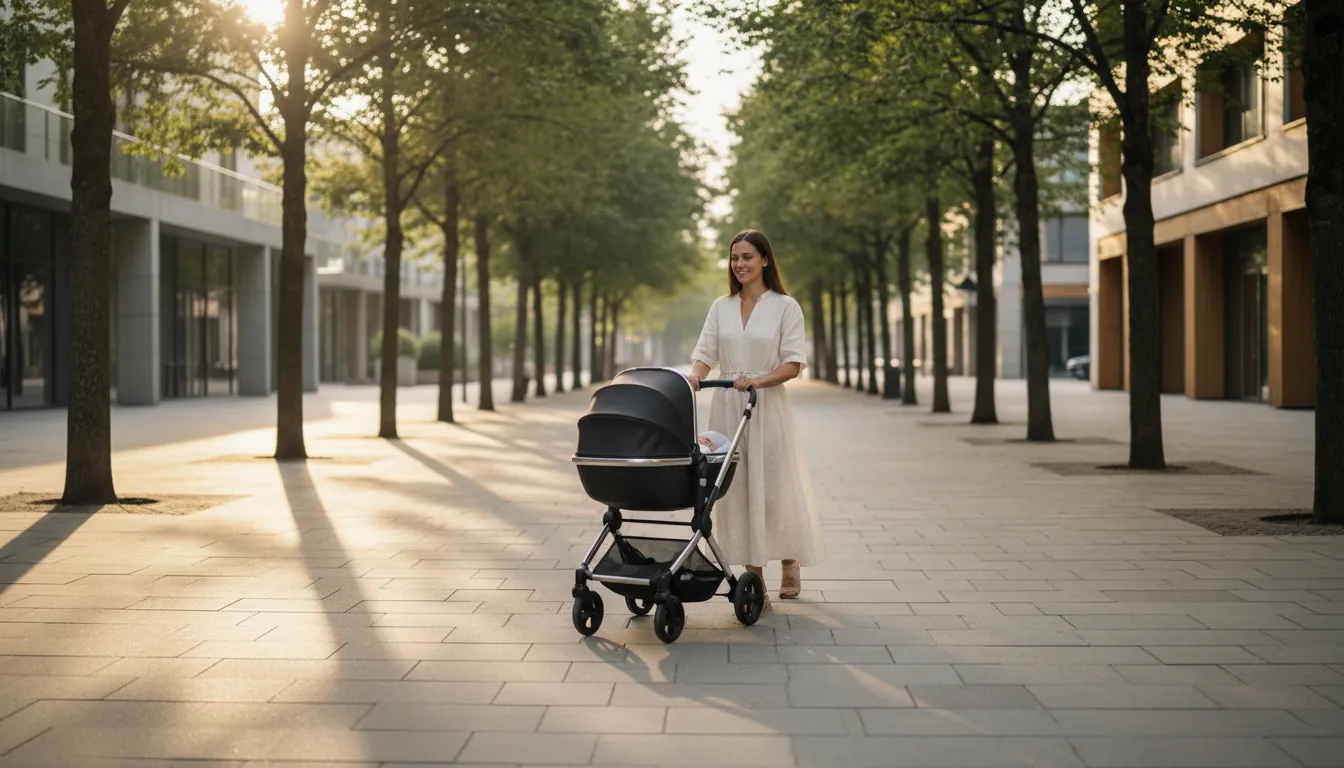
The first weeks after birth can feel like a slow re-entry into your own body. A short walk with the pram sounds simple, and in many ways it is. But in Gulf heat, where temperatures soar above 40°C and humidity can be stifling, the walk that would be effortless in a milder climate asks for more thought, more planning and more honesty about what a summer day actually allows. Babies overheat and dehydrate far more quickly than adults because their small bodies cannot regulate temperature as efficiently. This reality means parents must carefully consider timing, shade and hydration before stepping outside.
That does not mean staying indoors until October. It means learning to read the day differently. Early light, shaded paths, the right pram setup and a realistic sense of timing can turn a walk into something steady and restorative. This is about rebuilding strength without fighting the climate, and without turning a gentle outing into an endurance test.
Why Gulf heat changes the rules
Heat affects new mothers and babies in ways that are easy to underestimate. A baby cannot regulate body temperature as well as an adult, and they sweat less, which reduces their ability to cool down naturally. A mother recovering from birth is still managing her own energy, hydration and pelvic floor. When temperatures sit above 38°C for months, the usual advice about daily walks needs a local translation. This means planning outings carefully to avoid the hottest hours and recognizing that both parent and child face distinct physical vulnerabilities in the Gulf climate.
That makes a pram walk feel hotter for them than it does for you. The risk is not just discomfort. Overheating can happen quickly, especially inside an enclosed pram with poor airflow. This is not a reason to fear the outdoors, but it is a reason to plan carefully.
The good news is that the Gulf is built for air-conditioned comfort. Malls are enormous, step-free and cool, with lifts everywhere. Many parents use them as walking routes when the outdoor heat is too much. The challenge is not finding smooth surfaces. It is deciding when to walk outside and when to move the walk indoors.
Timing, shade and the art of the short walk
The most useful habit is to walk before 10am or after 4pm, when the sun is less intense and the risk of overheating is lower. In the hottest months, even those hours can feel heavy, so many parents shift to early morning or after sunset. A walk that starts at 7am can feel almost gentle, especially along a shaded promenade or a quiet residential street with trees and building shadows. These cooler corridors offer natural relief and make the outing more comfortable for both parent and baby.
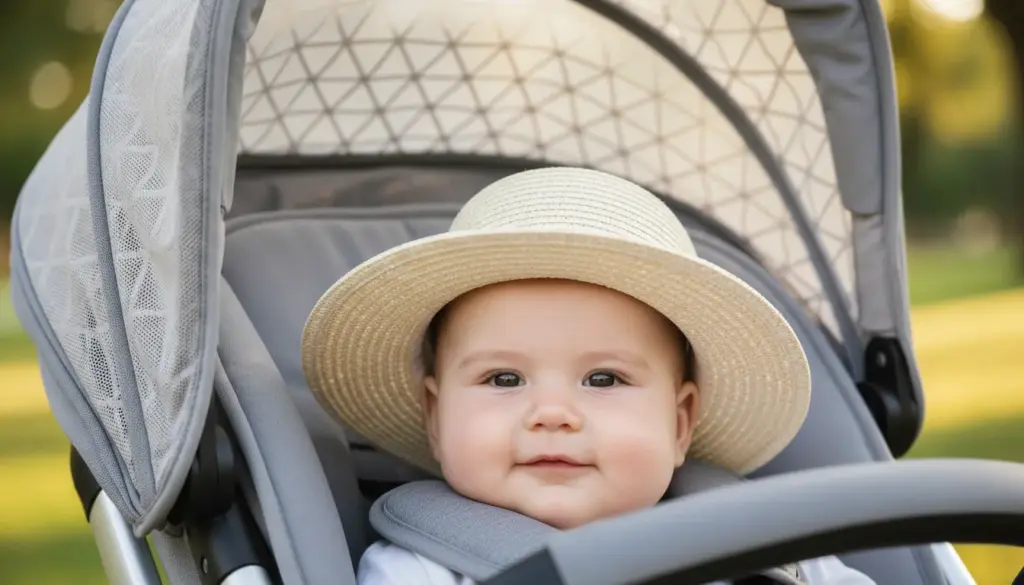
Shade matters more than distance. A twenty-minute loop with good cover is better than a long exposed route. If you have to cross a sunny stretch, do it slowly and watch your baby for signs of heat stress. Flushed cheeks, damp hair, fussiness or a sudden quietness can all be cues to stop, find cool air and offer a feed or a drink.
Do not aim for the walk you think you should manage. Aim for the walk that leaves you feeling steadier than before. In the first months after birth, that might be ten minutes. It might be a slow lap inside a mall with a coffee at the end. The point is movement, fresh enough air and a change of scene, not distance or pace.
What to check before you leave
A little preparation makes the difference between a calm outing and a stressful one. Check the heat and humidity before you go, and be willing to change the plan. If the air feels thick even in the shade, an indoor walk is the wiser choice. There is no prize for walking outside on the hardest day of the week.
- Dress your baby in one light layer of breathable fabric, and cover their head with a wide-brimmed hat if they are in the shade only part of the time.
- Use a clip-on parasol or a pram sunshade that allows air to move freely around the seat.
- Never drape a muslin, blanket or towel over the pram to create shade, because this traps heat and reduces ventilation.
- Carry water for yourself and plan to drink before you feel thirsty, especially if you are breastfeeding.
- Keep an eye on your baby’s nappy output across the day, as six to eight or more wet nappies in twenty-four hours is a useful sign of good hydration.
- Choose routes with air-conditioned stopping points, such as a mall entrance, a pharmacy or a friend’s lobby, in case you need to cool down quickly.
- If your pram has a removable back panel, open it to improve airflow around your baby on warmer days.
These are small actions, but they add up. They also give you a simple mental checklist, which is useful when you are tired and trying to decide whether a walk feels right. The goal is not to follow rules rigidly. It is to make the default choice a safer one.
Hydration for two different bodies
Your hydration and your baby’s hydration are connected, but they are not the same task. If you are breastfeeding, your milk adapts to help keep your baby hydrated, and you may need to offer feeds more often in hot weather. That also means you need more fluid yourself, often around three to four litres of water a day. Babies cannot tell you when they are thirsty, and they can dehydrate quickly in extreme heat. Keeping an eye on wet nappies can help you feel more confident that your baby is getting enough fluid.
Signs that you are falling behind include dizziness, a dry mouth or dark urine. These are easy to miss when you are focused on a new baby, but they matter because dehydration can develop quickly in high heat and humidity. Keep a bottle of water near the pram handle or in the basket so it stays within reach. Take small sips throughout the walk rather than waiting until you return home. This steady intake helps you stay steady and better able to care for your baby.
For formula-fed babies, stick to the usual feeding pattern but watch for signs of dehydration such as fewer wet nappies, dry lips or a sunken soft spot on the head. Babies can dehydrate very quickly in extreme heat because their bodies cannot adjust to temperature changes as well as adults. If you are unsure, speak to a doctor or health visitor. They can check for subtle warning signs and offer reassurance. No article can replace that individual guidance, especially in a climate this intense.
Choosing a pram that breathes
The pram itself is part of the safety picture. A seat that reclines enough for a newborn, a canopy that extends without sealing the air in, and a frame that lets you remove a back panel can all help. Dark fabrics absorb more heat. A lighter colour can feel cooler to the touch after a few minutes in the sun.
Ventilation is the word to remember. An enclosed pram can become much hotter than the air around it, even when the outside temperature feels manageable. If your pram has a bassinet attachment, check that air can circulate around the baby rather than pooling inside. Some parents place a small, battery-powered clip fan nearby, but only where it cannot blow directly into the baby’s face.
You do not need a specialist pram for the Gulf. You need a pram you can open up, shade properly and push without strain. Smooth surfaces and flat streets make most modern prams easy to handle here. The real test is whether you can adjust it quickly when the sun moves or the humidity rises.
Building a routine that respects recovery
Postnatal recovery is not a straight line. Some days you will feel ready for a longer walk, and other days your body will ask for rest. Walking with a pram can support your recovery, but only when it is paced to your current strength. Pushing a pram uses your core and pelvic floor more than a casual stroll without one.
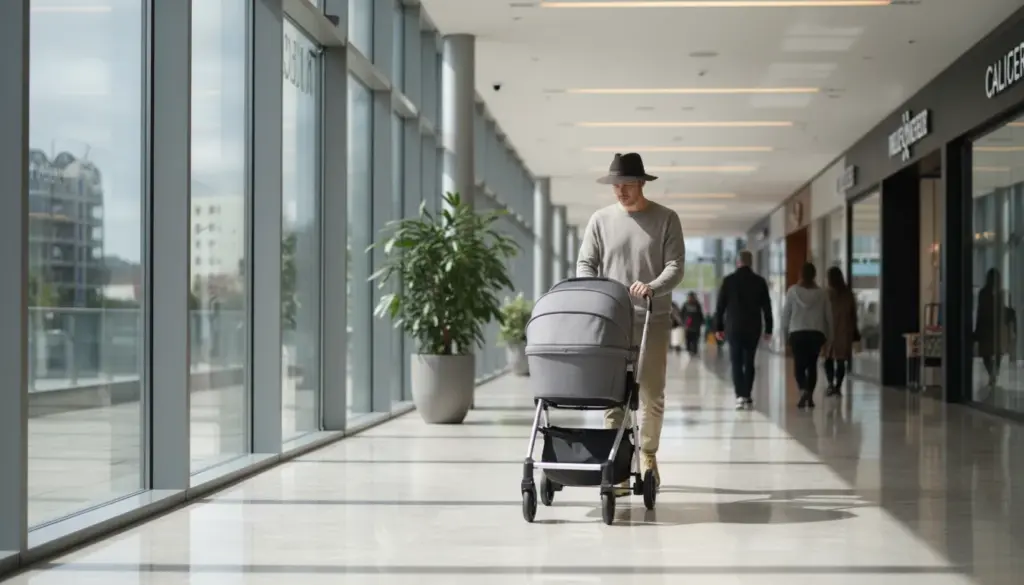
Start with short, flat routes and pay attention to how you feel afterwards. Heaviness, aching or increased bleeding can be signs that you have done too much. That is not failure. It is information. A good routine leaves room for slower days, indoor walks and the occasional decision to stay home entirely.
The heat does not have to cancel your recovery walks. It simply asks you to become a more observant walker. You learn to notice the angle of the sun, the weight of the air and the small changes in your baby’s mood. That attention is part of the work of early motherhood, and it can make even a short walk feel meaningful.