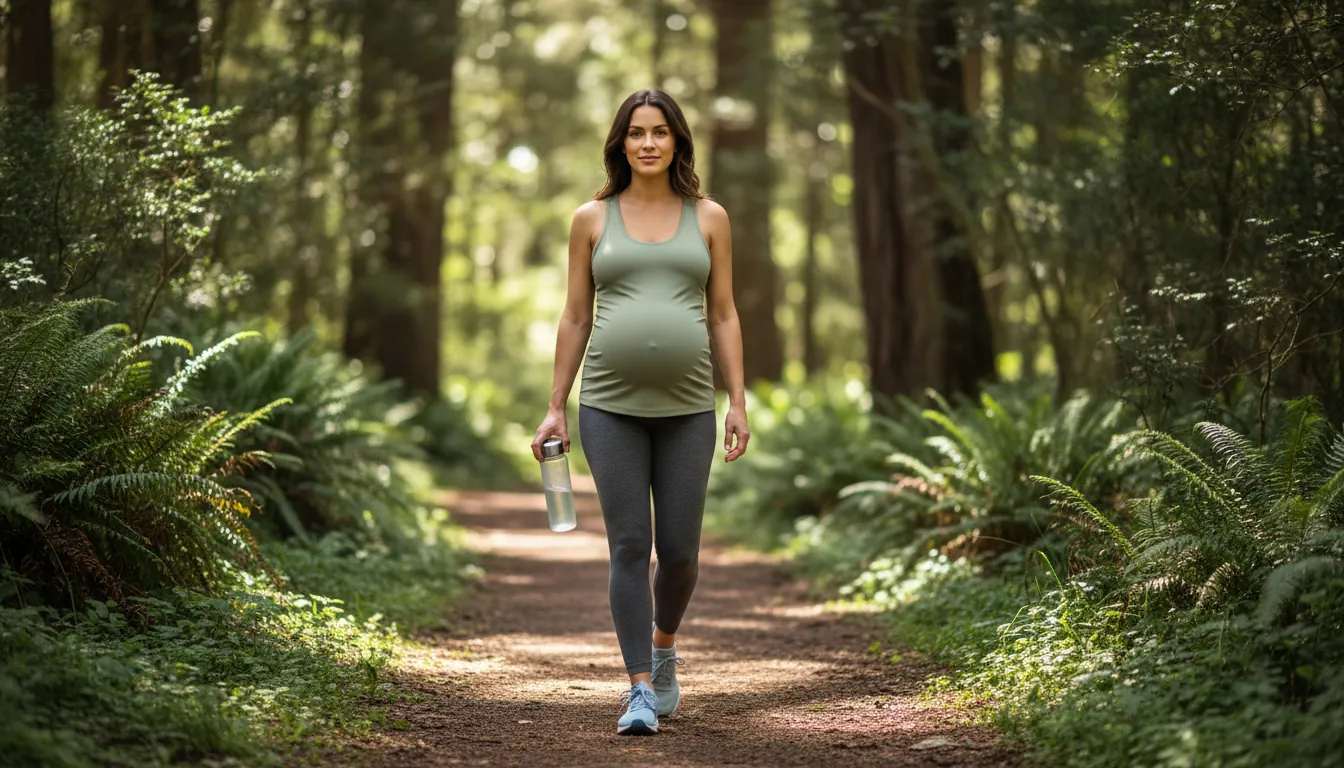
Keeping active during pregnancy often shifts from a fitness goal to a form of quiet reassurance. You are not training for a race or chasing a personal best. You are supporting your body as it changes week by week, and giving yourself a steadier base for birth and the months that follow. The benefits are tangible, from better sleep and mood to a lower risk of some pregnancy-related conditions. For many women, the question is not whether to move, but how to adapt movement as the body softens, shifts and grows.
The general advice for pregnancy mirrors the guidance given to all adults. Aim for around 150 minutes of moderate activity each week, including muscle strengthening exercises. Moderate means your heart rate rises and you breathe faster, but you can still talk, though probably not sing. Walking, swimming and yoga can all count towards that weekly total. If 150 minutes feels out of reach, especially during weeks of nausea or fatigue, any activity is better than none. A ten-minute walk still matters.
Why Movement Changes in Each Trimester
Pregnancy hormones relax the ligaments that support your joints, which makes them more mobile and slightly more vulnerable to injury. That is why jerky, bouncy or high-impact motions deserve extra care. At the same time, the growing bump shifts your centre of gravity forward, placing new stress on the pelvis and lower back. What felt stable at eight weeks may feel entirely different at twenty-eight weeks. Listening to your body becomes the most reliable guide you have.
You do not need to abandon exercise you already enjoy, but you may need to modify it. A woman who ran regularly before pregnancy might find brisk walking more comfortable as her bump grows. Swimming often becomes a favourite because the water relieves pressure on muscles and joints. The goal is not to maintain an old routine at all costs. It is to stay active in ways that support the body you have today, not the body you had before conception.
Core and Pelvic Floor Awareness
Prenatal fitness experts often encourage a shift towards core and pelvic floor awareness early in pregnancy. This is less about doing sit-ups and more about building a deeper connection with the muscles that support your changing shape. Gentle breathing, pelvic tilts and controlled engagement can help you feel more stable without adding strain. Building that awareness now can also make the return to exercise after birth feel less overwhelming.
Simple daily habits count as strengthening work too. Carrying shopping, lifting a toddler or holding a steady yoga pose all contribute to muscle maintenance. If you already do strength training at a gym, you can usually continue with adjustments, but it is wise to speak with your midwife or doctor first. The aim is to keep the body capable and comfortable, not to push through pain or pressure.
First Trimester Foundations
The first trimester often brings exhaustion and morning sickness, which can make the idea of exercise feel impossible. If you are new to activity, start with ten to fifteen minutes of walking a day and increase gradually. You might work towards a thirty-minute walk three to five times a week. There is no need to chase intensity. Consistency matters more than effort during these early weeks, especially if food aversals leave you low on energy.
For women who were highly active before pregnancy and remain healthy, moderate activity does not usually require strict heart rate limits. However, if you are new to exercise, keeping your heart rate below 150 beats per minute is a sensible general guide. Avoid overheating, particularly in the Gulf climate, and drink water before, during and after movement. If you feel dizzy, short of breath or notice any bleeding, stop and seek advice from your healthcare provider.
Second Trimester Energy and Stability
Many women find the second trimester brings a welcome return of energy. Morning sickness often eases, and the bump is present but not yet heavy enough to dominate every movement. This can be a good time to settle into a regular rhythm of walking, swimming or prenatal strength work. You may feel more like yourself, which makes it easier to protect the habit of moving several times a week.
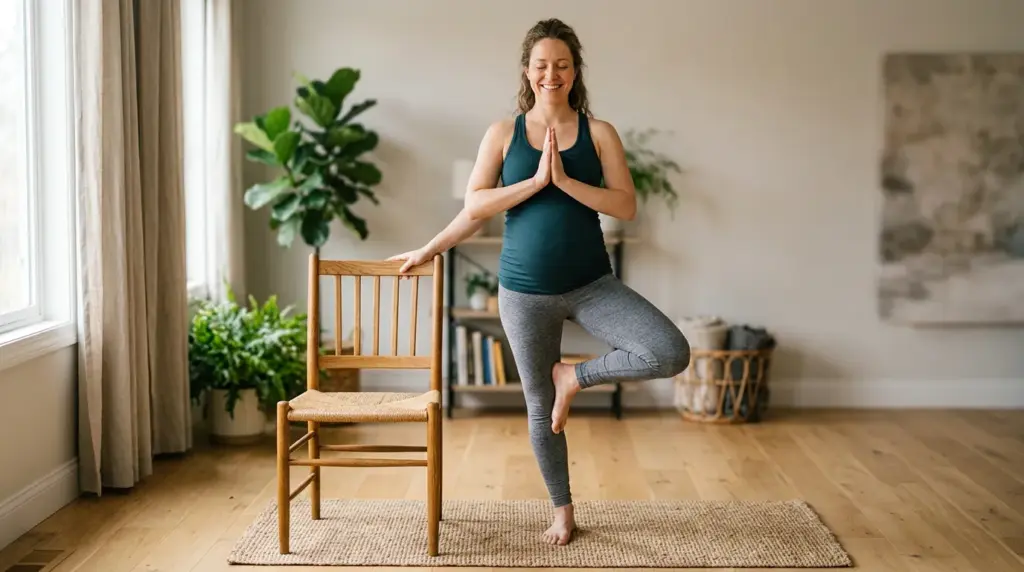
Balance starts to change as the bump grows, so exercises that require a stable base become more useful. Standing hip exercises, supported squats and gentle resistance work can help maintain lower body strength. Avoid anything that feels wobbly or puts you at risk of falling. A chair or wall can provide useful support. The goal is to feel strong and grounded, not to test your limits.
| Trimester | Good Options | Adjustments to Consider |
|---|---|---|
| First | Walking, swimming, gentle yoga | Short sessions, stay cool, rest when tired |
| Second | Brisk walking, prenatal strength, water classes | Use support for balance, avoid deep twists |
| Third | Swimming, walking, pelvic floor work | Avoid lying flat on your back, slow down |
| All stages | Muscle strengthening twice a week | Keep talking pace, stop if dizzy or breathless |
The table above gives a simple view of how choices shift across pregnancy, but it is not a prescription. Your own comfort and your midwife’s guidance should always shape what you do. Some days you will feel capable of more, and other days a short walk will be enough. Both are valid.
Third Trimester Comfort and Preparation
As the bump becomes heavier, the aim shifts towards comfort, mobility and preparation for birth. Brisk walking may still feel good, but you may need to slow down or shorten your route. Swimming remains one of the most comfortable options because the water supports your joints and relieves pressure on the lower back. Many women find water-based pregnancy classes especially helpful in the final weeks.

During later pregnancy, avoid any activity that involves lying flat on your back for more than a few minutes. This position can make you feel dizzy and is not good for your baby. Use a wedge or pillows if you need to recline during floor work. Side-lying positions are often more comfortable and keep blood flowing well. Pelvic floor exercises and gentle breathing practice can also become a meaningful part of your routine.
Strength Without Strain
Strength work in the third trimester is less about building muscle and more about maintaining the strength you have. Supported squats, wall push-ups and light resistance bands can keep your legs, arms and back feeling capable. Carry shopping or lift a toddler with care, using your legs rather than your lower back. These everyday movements count, and they keep your body familiar with the work it will do after birth.
Rest is not a failure of your routine. It is part of the plan. If you feel breathless, overheated or unusually tired, stop and rest. The Gulf heat makes outdoor exercise harder, so choose air-conditioned spaces or water-based options when temperatures rise. A short indoor walk or a gentle stretch can be enough on difficult days. Your body is already doing extraordinary work.
Staying Safe in the Gulf Climate
Exercising during a Gulf summer requires extra planning. Heat and humidity can raise your core temperature quickly, and overheating is a particular concern during the first trimester. Early morning and late evening are usually the most comfortable times for outdoor walking. If the air feels heavy, move indoors to a mall, a gym or your own living room. A supportive sports bra and loose, breathable clothing make a real difference.
Hydration matters before, during and after every session. Keep water close and sip regularly rather than waiting until you feel thirsty. A small snack or a glass of juice fifteen to thirty minutes before exercise can help steady your energy. If you feel dizzy, nauseous or unusually hot, stop what you are doing and cool down. These are signals, not weaknesses.
When to Check With Your Midwife
Pregnancy is not the time to start a vigorous new activity such as running if you have not been doing it already. If you have a known health condition, speak with your midwife or doctor about which activities are safe for you. They can help you adapt your routine without guesswork. Early prenatal visits are a good moment to raise the topic of exercise and ask about any limits specific to your pregnancy.
There is no single perfect workout for every pregnant woman. The best routine is the one that fits your energy, your climate and your stage of pregnancy. Some weeks you will move with ease, and other weeks you will rest more. Both rhythms have value. Keep the focus on how movement makes you feel, and let that guide your choices as your body does its quiet, remarkable work.